Wire Mesh Knowledge Center
Detailed, illustrated articles that answer recurring wire mesh measurement, material, filtration and purchasing questions.
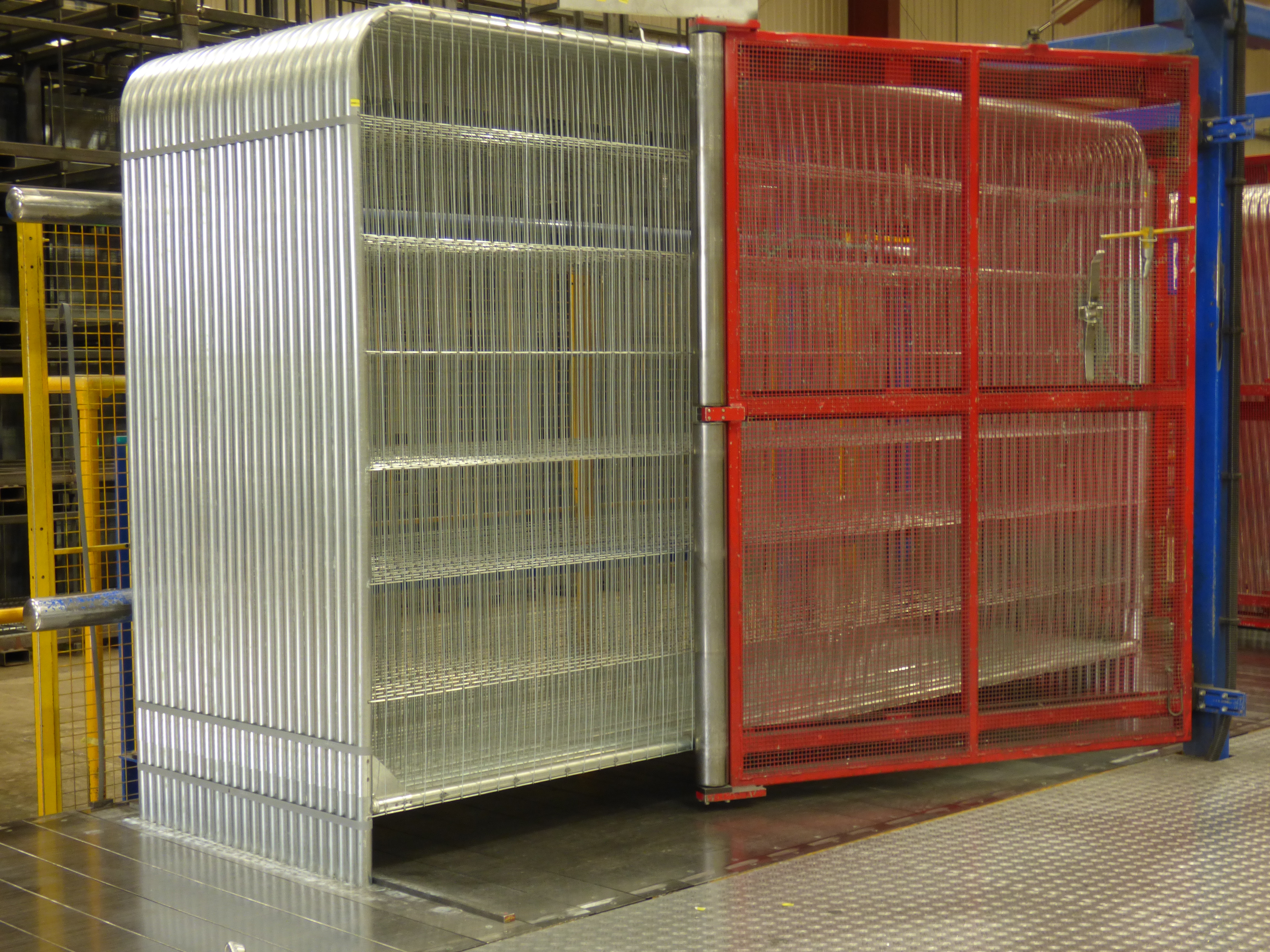 Fence panel specification and purchasing
Welded Wire Fence Panel Weight: Core Wire, Pitch and RFQ Guide
September 21, 2026Compare welded fence quotations using defined pitch, steel-core diameter, edge layout, theoretical panel weight and a complete accessories checklist.
Open resource →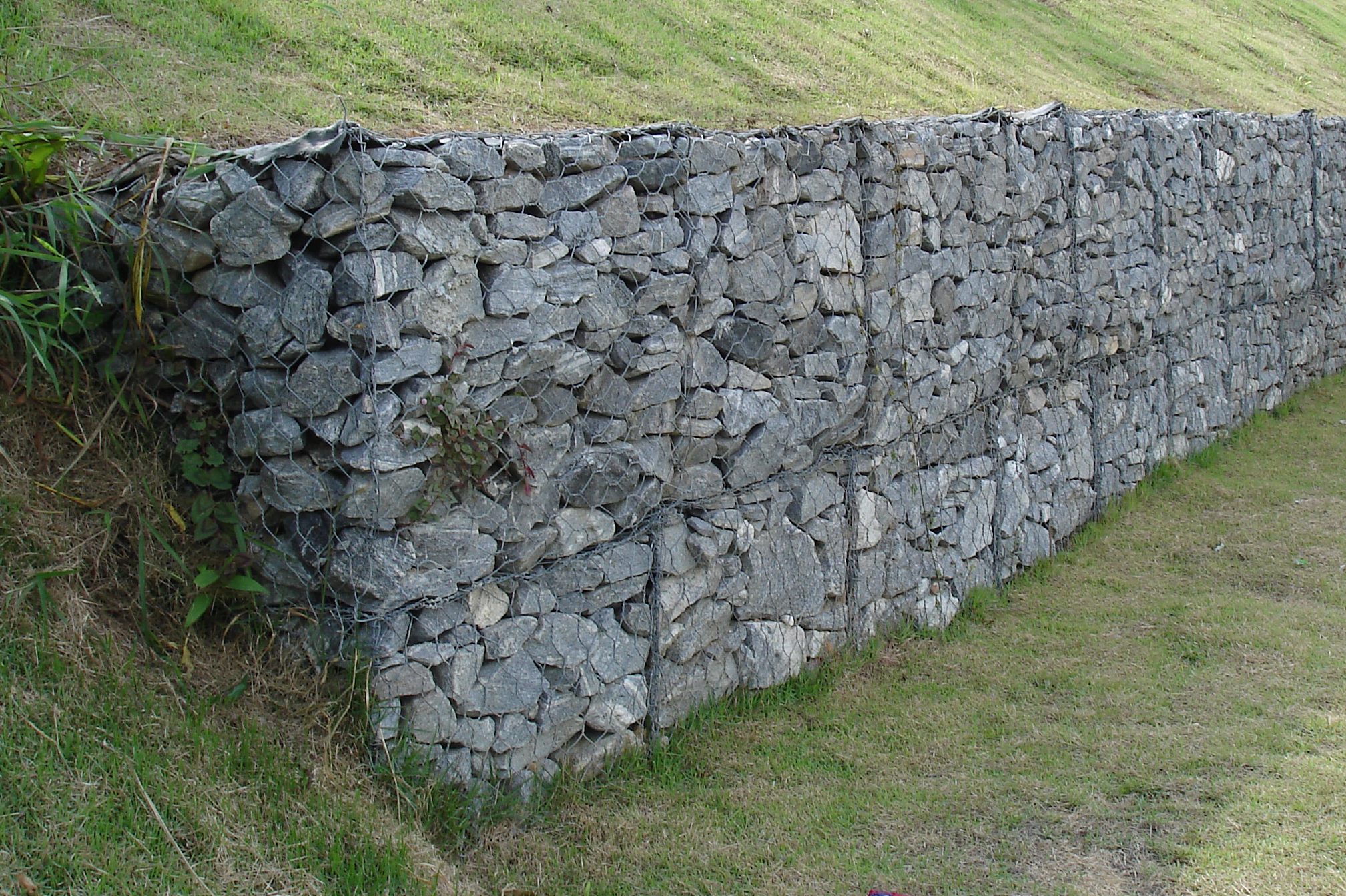 Gabion procurement and specification
Gabion Mesh Size and Stone Fill: A Practical Basket RFQ Guide
September 17, 2026Compare welded and double-twisted gabion specifications, resolve clear-opening versus pitch dimensions, and build a complete basket and stone-fill RFQ.
Open resource →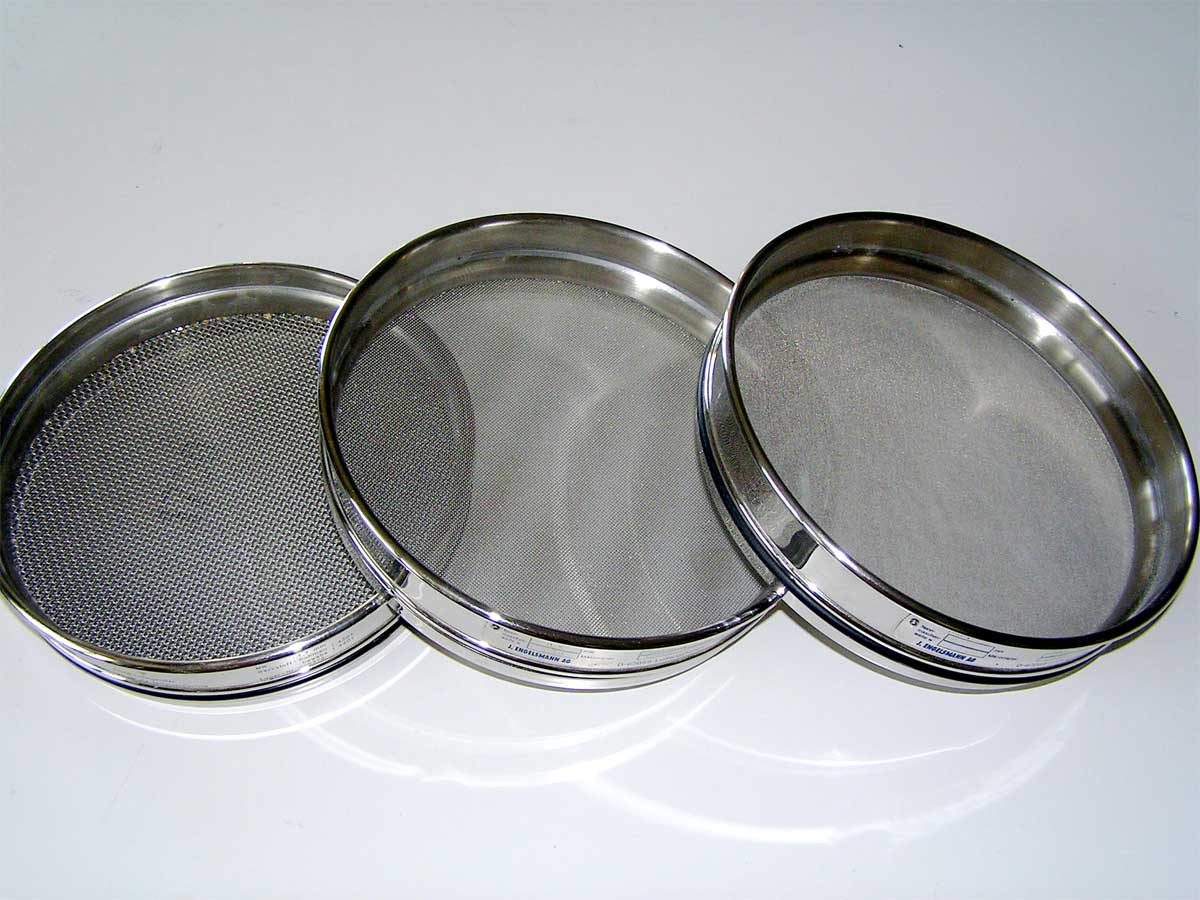 Laboratory and production selection
Test Sieve vs Industrial Wire Mesh: What a 250 Micron Result Really Specifies
September 16, 2026Separate test-sieve requirements from industrial mesh selection using a 250 micron example, verified standards references and two practical RFQ templates.
Open resource →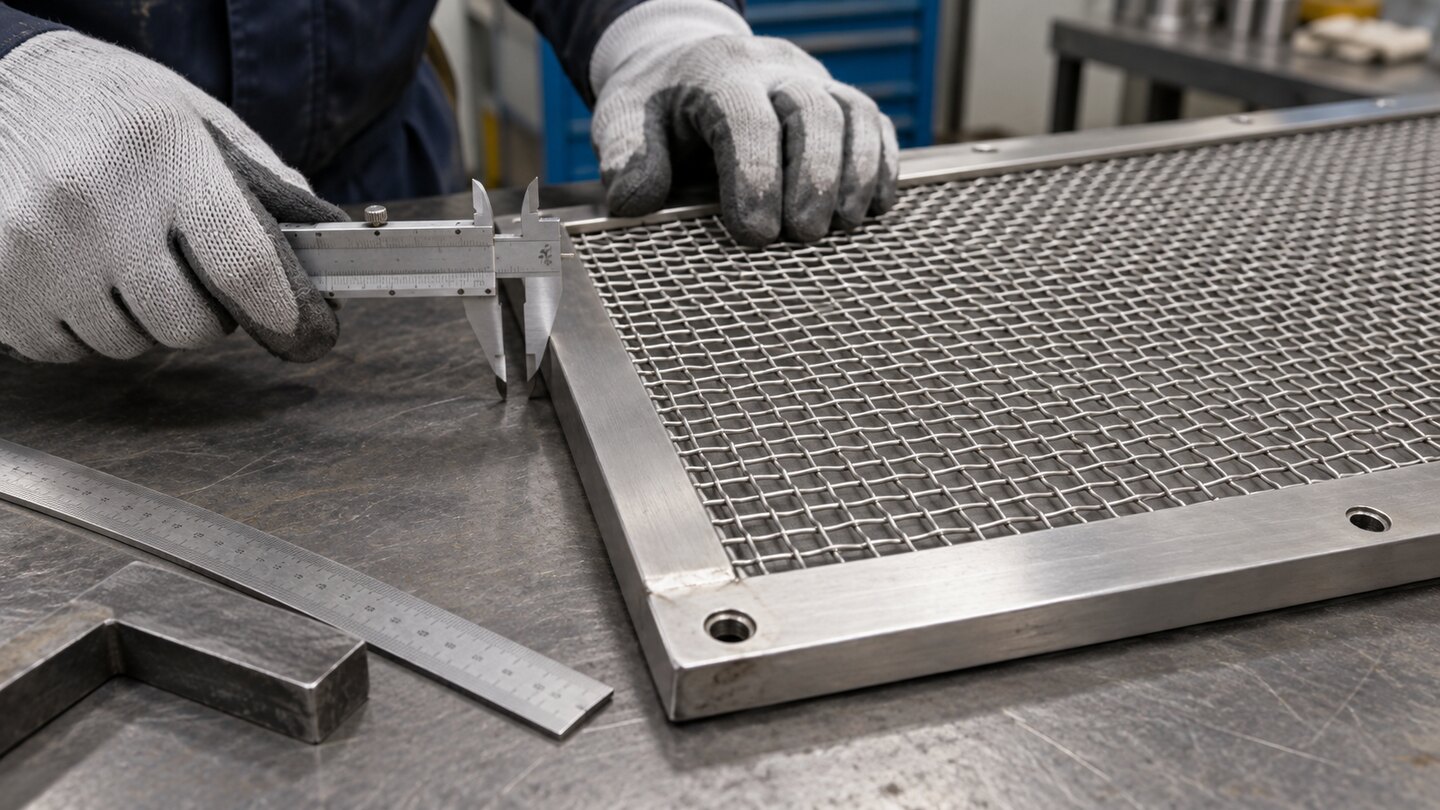 Panel drawing and RFQ guide
Cut-to-Size Wire Mesh Panels: Drawing Details That Prevent Wrong Deliveries
September 10, 2026Specify cut-to-size wire mesh panels with active area, datums, edge treatment, holes, flatness checks and an honest bare-mesh weight estimate.
Open resource →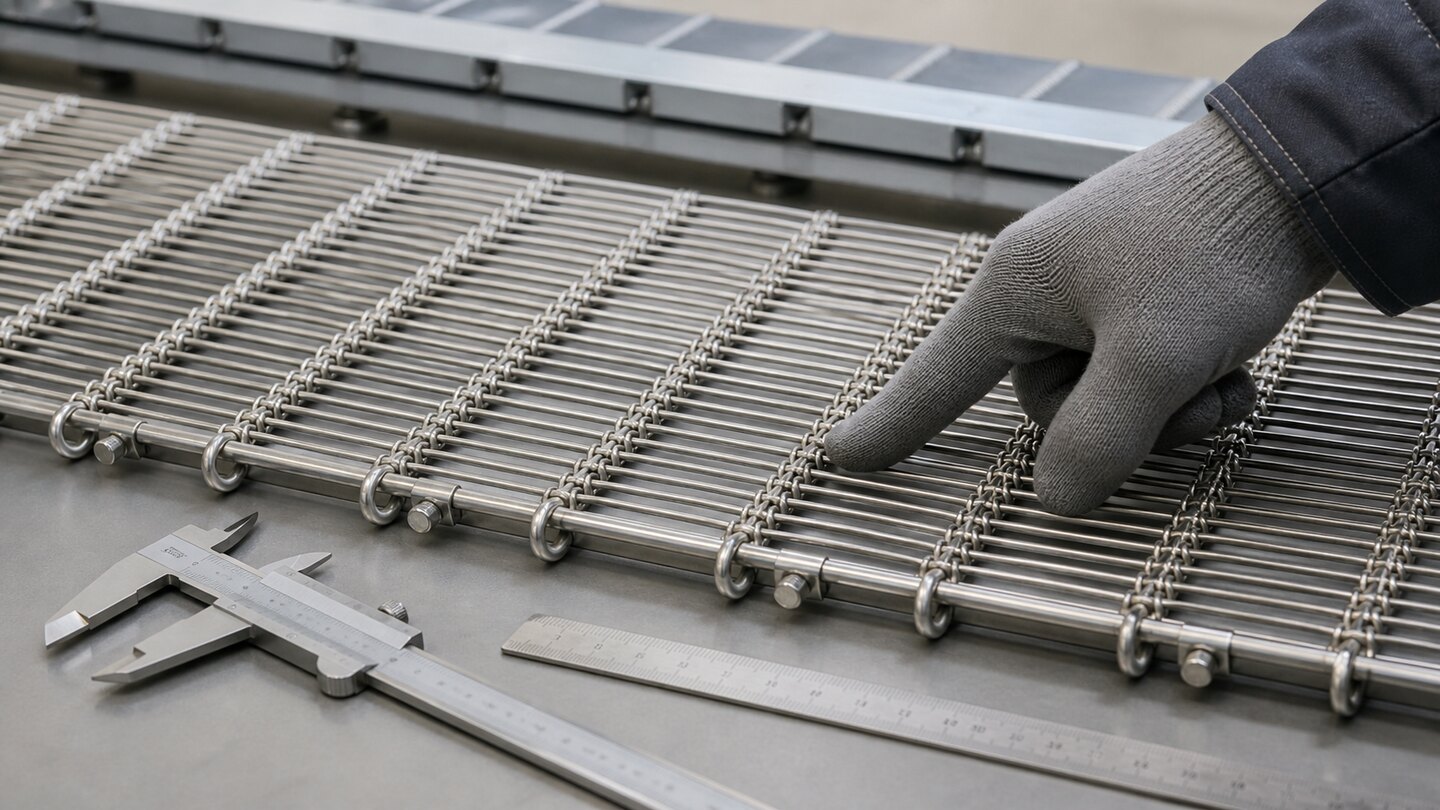 Long-slot screen specification guide
Long-Slot Wire Mesh: Why Slot Direction Belongs in the RFQ
August 27, 2026Specify long-slot wire mesh with X/Y openings, wire diameters, slot orientation and projected open area—without turning a drawing into a performance claim.
Open resource → Screen construction comparison
Perforated Plate vs Woven Wire Mesh: Why 5 mm Is Not Enough
August 25, 2026Compare perforated plate and woven wire mesh honestly: opening shape, pitch, thickness, projected open area, tools and RFQ fields.
Open resource →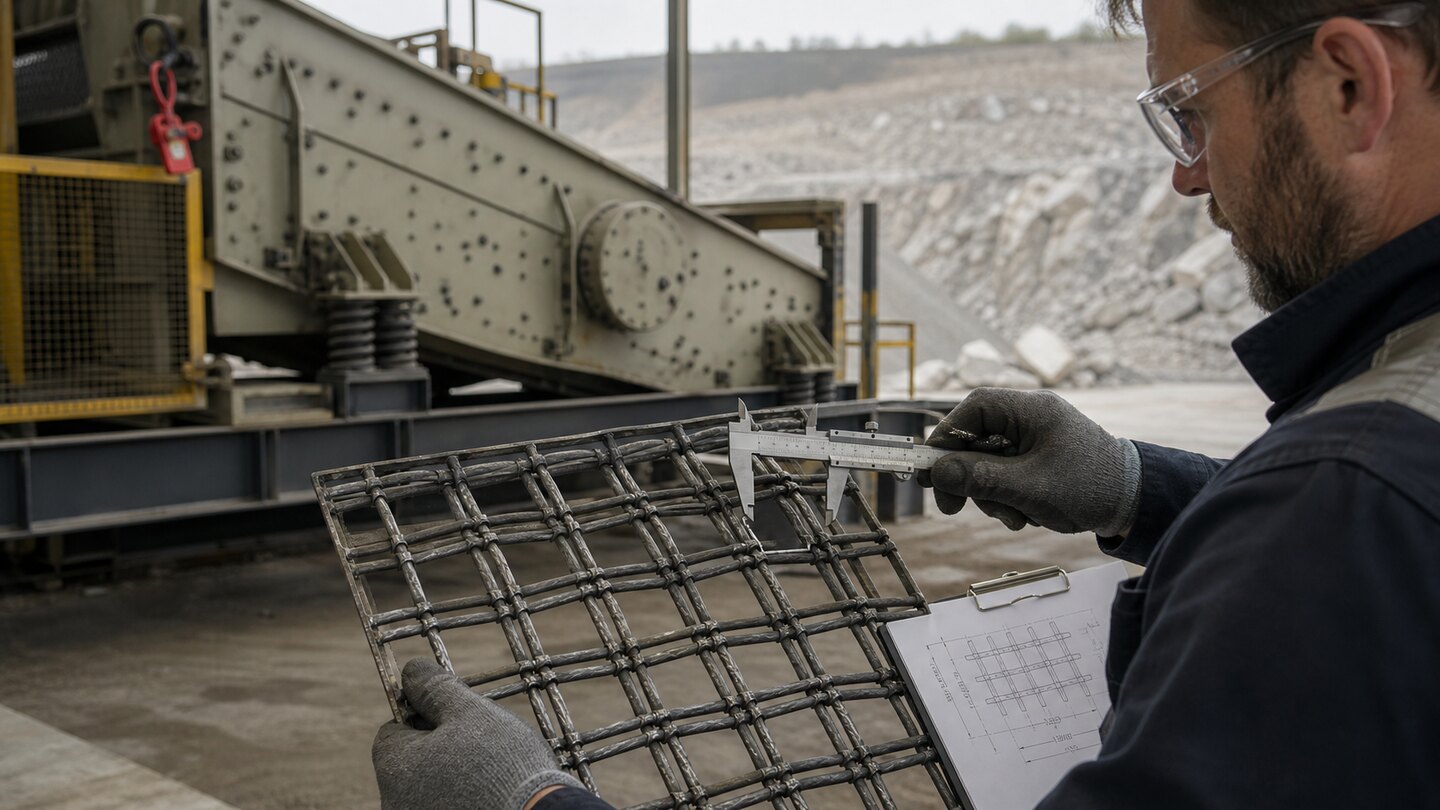 Screening-panel replacement guide
Vibrating Screen Mesh Replacement: 8 Measurements Before Ordering
August 24, 2026Measure aperture, wire, panel size, hooks, tension direction and support details before ordering a vibrating-screen replacement panel.
Open resource → Welded mesh specification guide
Welded Wire Mesh: Clear Opening vs Pitch—Avoid the 25 mm RFQ Error
August 23, 2026Learn how clear opening, centre-to-centre pitch and wire diameter work together in welded wire mesh—and how to state an auditable panel RFQ.
Open resource → Filtration specification guide
Dutch Weave vs Square Woven Mesh: Why Mesh Count Is Not a Filter Specification
August 12, 2026Learn why Dutch weave cannot be specified from a square-mesh count, how to use a filter tool correctly, and what to ask before comparing filter-cloth quotes.
Open resource →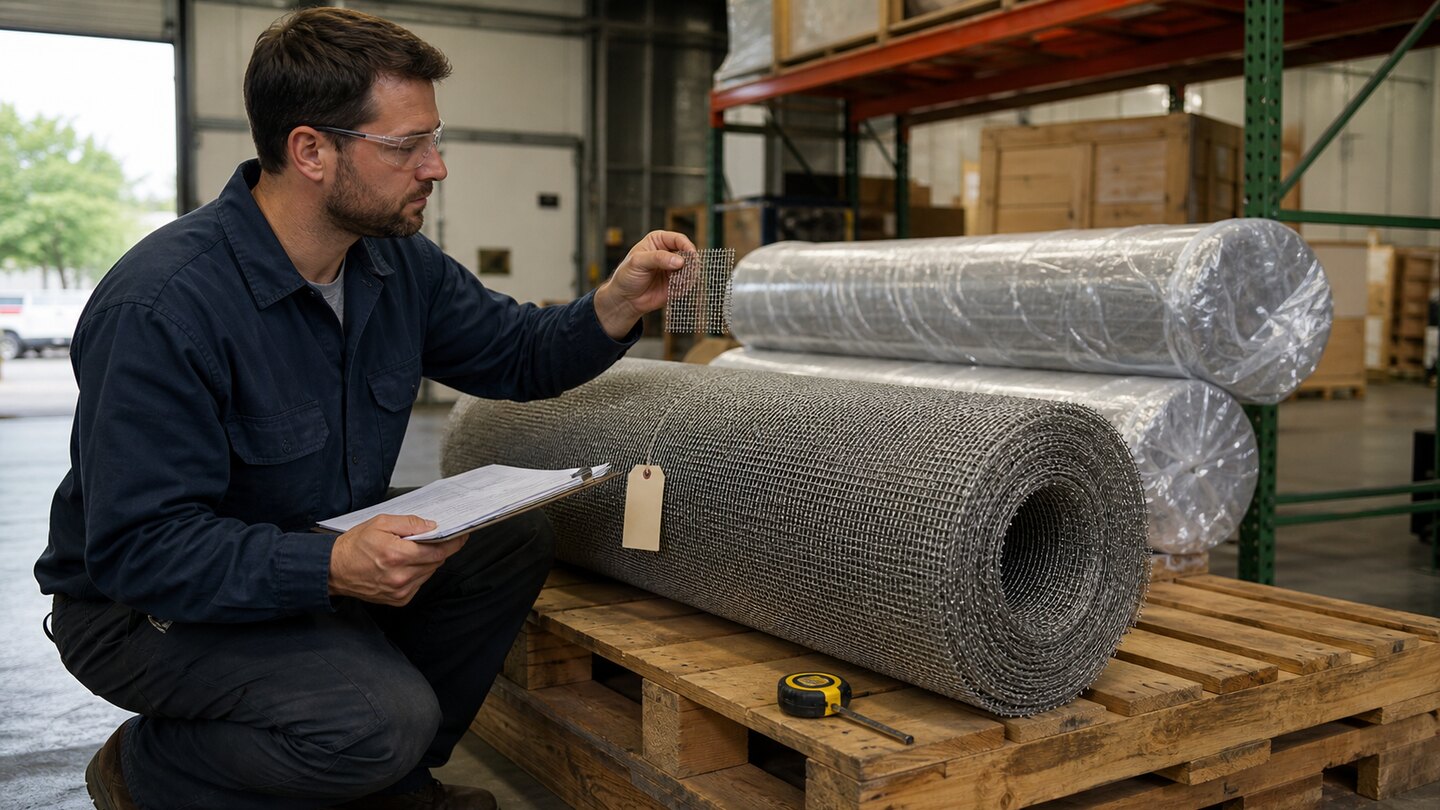 Quality and purchasing guide
Wire Mesh Receiving Inspection: A Practical Acceptance Checklist
August 3, 2026A practical receiving checklist for industrial woven wire mesh: preserve traceability, cross-check nominal geometry, review documents and record evidence.
Open resource →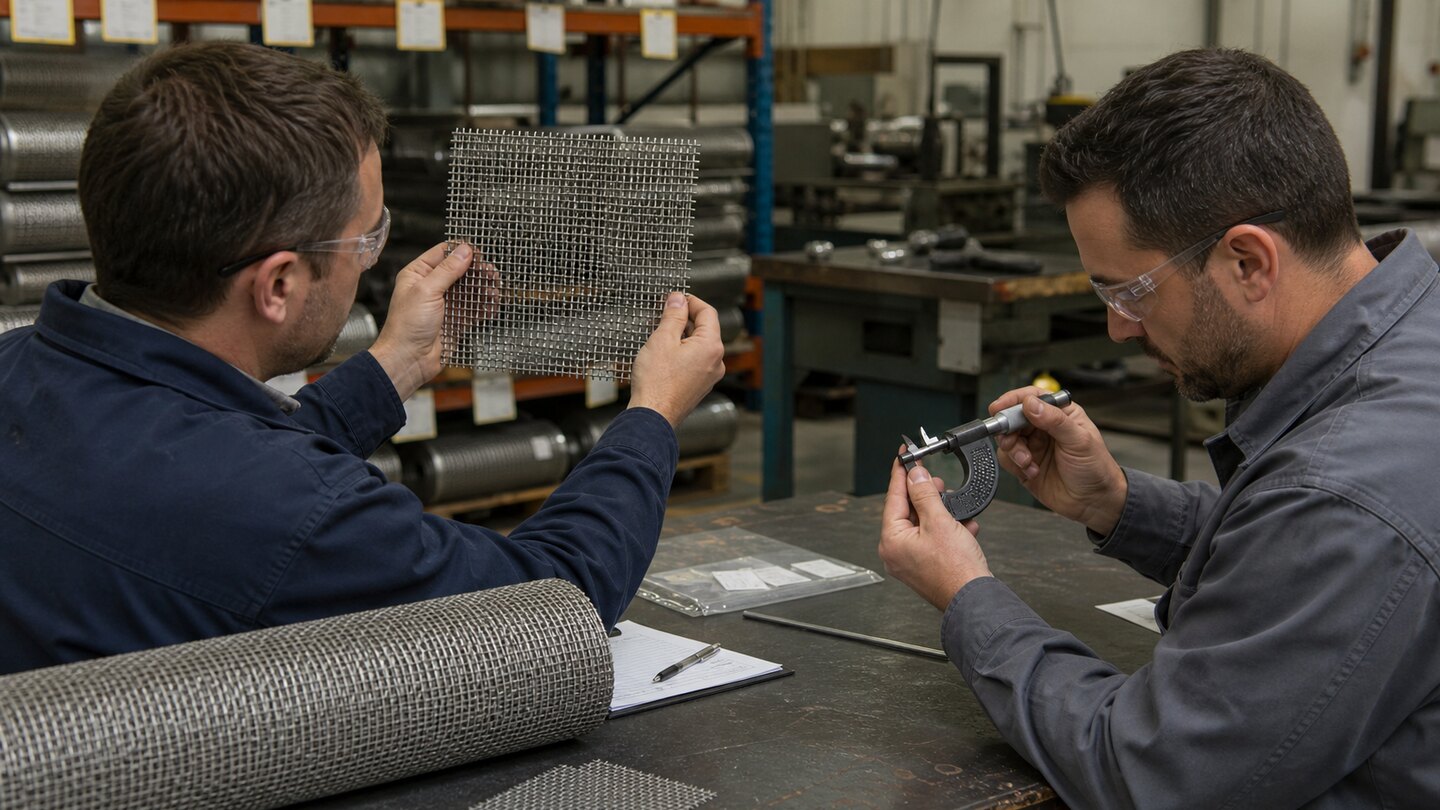 Quotation and measurement guide
Wire Mesh Gauge vs Wire Diameter: How to Avoid a Costly RFQ Error
July 28, 2026Why “24 gauge wire mesh” is incomplete, how confirmed wire diameter changes 10-mesh geometry and mass, and what to put in an RFQ.
Open resource → Worked reverse-specification example
How to Reverse-Engineer a 500 Micron Wire Mesh Specification
July 27, 2026Start with a 500 micron target opening and minimum open area, compare candidate mesh counts and wire diameters, then build a testable RFQ.
Open resource →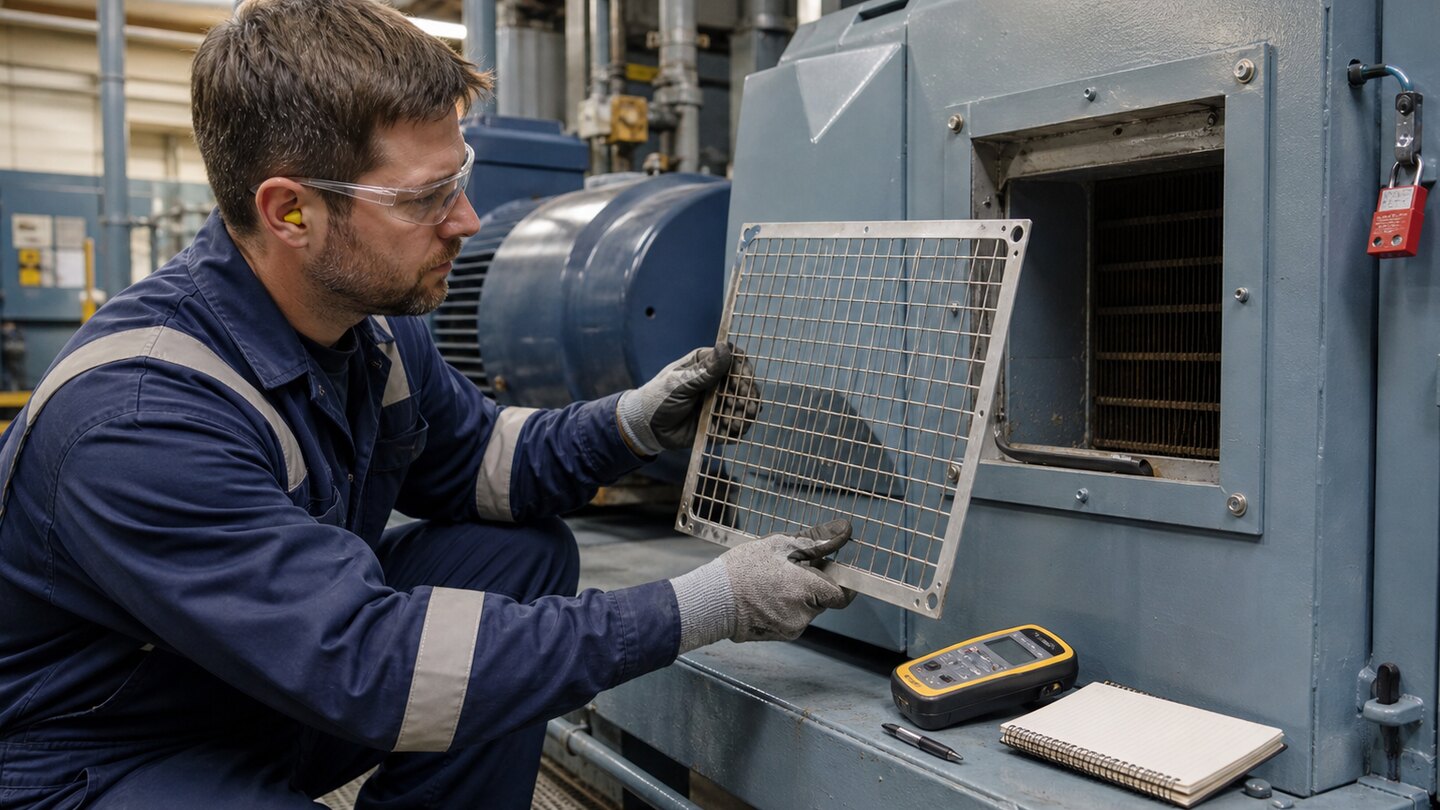 Ventilation guard engineering guide
Wire Mesh Open Area for Ventilation: How to Calculate and Specify It
July 23, 2026Calculate wire mesh open area for machine guards, compare replacement grids and learn why geometric porosity is not an airflow guarantee.
Open resource → Worked specification comparison
What Does 40 Mesh Mean? Opening Size, Wire Diameter and Open Area
July 21, 2026Compare three 40-mesh woven wire constructions and see how wire diameter changes aperture, micron size, open area and roll weight.
Open resource →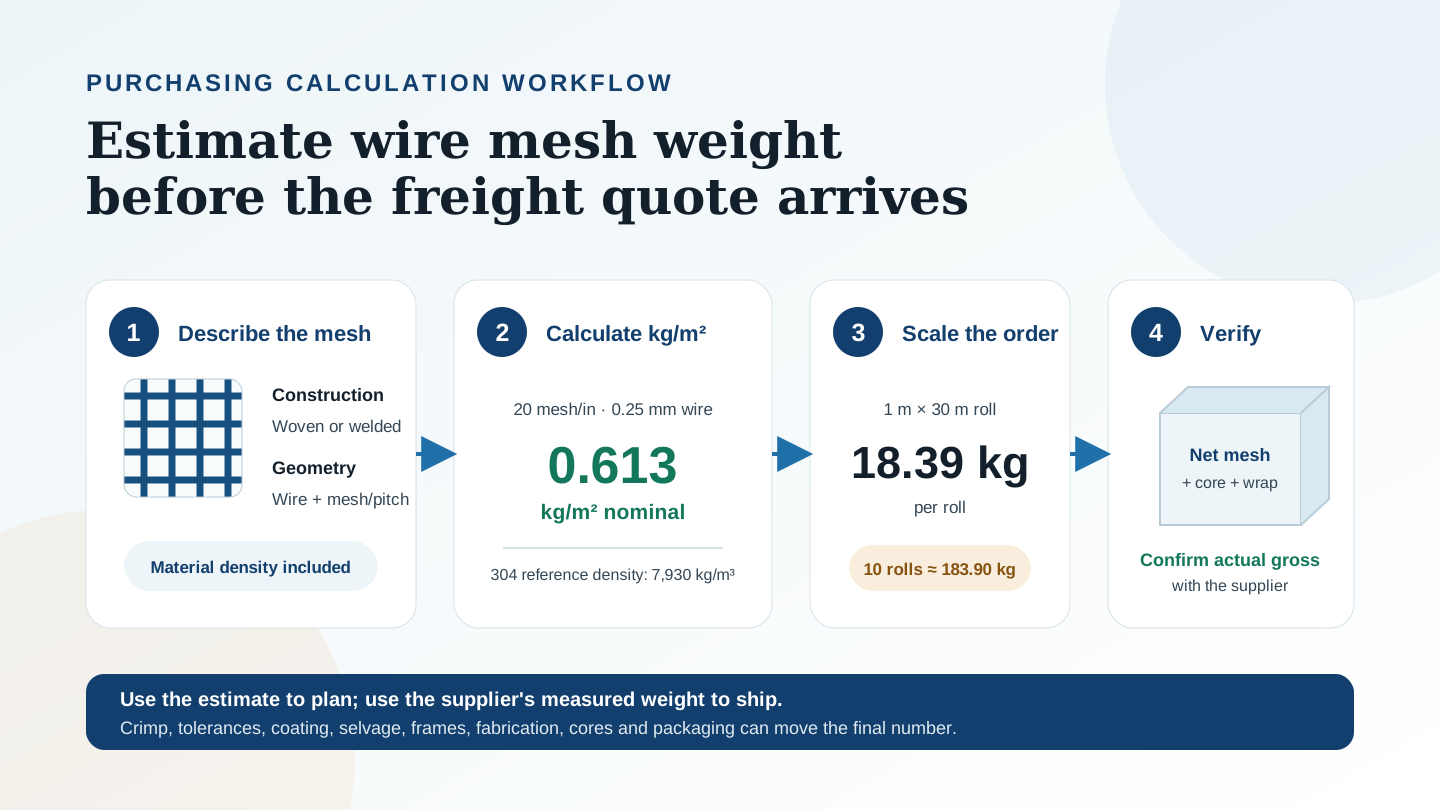 Purchasing and logistics calculation
How to Estimate Wire Mesh Roll Weight Before Ordering
July 20, 2026Calculate nominal woven-roll or welded-panel weight, understand the assumptions, and turn the result into a better freight and handling request.
Open resource →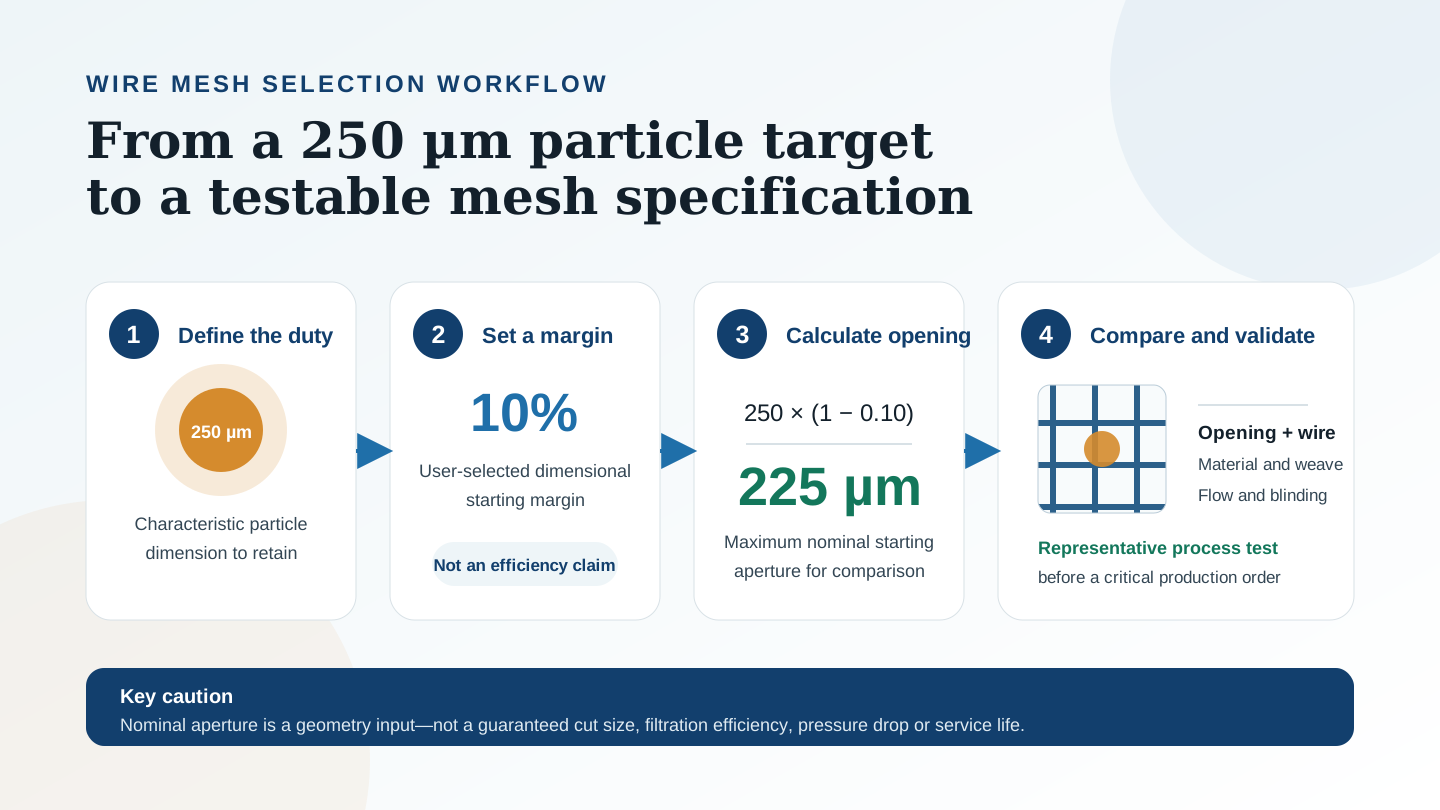 Filtration selection example
How to Select Wire Mesh for 250 Micron Filtration
July 18, 2026Use a 250 µm particle target to calculate a starting aperture, compare mesh-count and wire-diameter candidates, and prepare a testable filtration RFQ.
Open resource →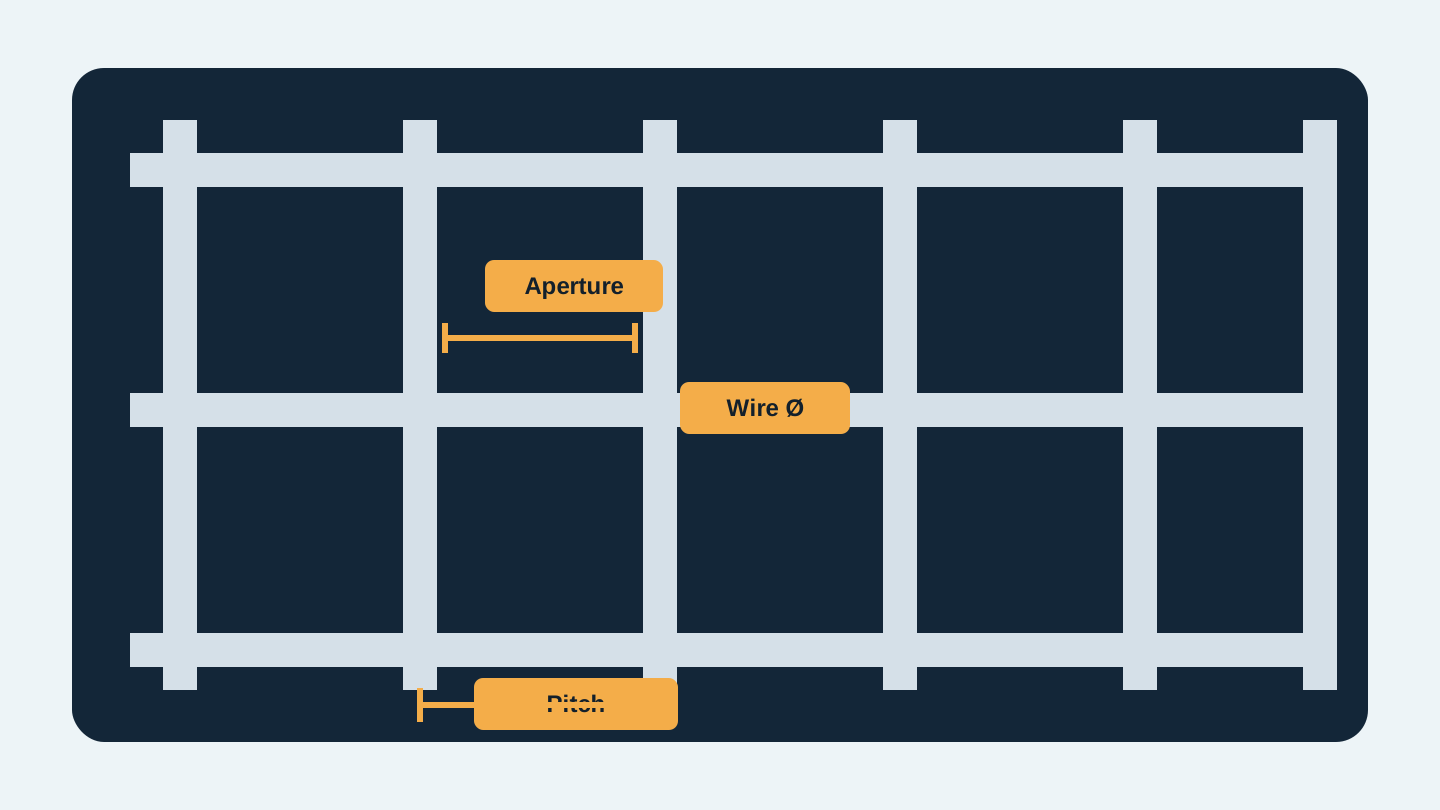 Mesh geometry basics
How Mesh Count, Aperture and Wire Diameter Work Together
July 16, 2026A practical explanation of the three values behind square-opening woven wire mesh, with formulas, examples and purchasing cautions.
Open resource →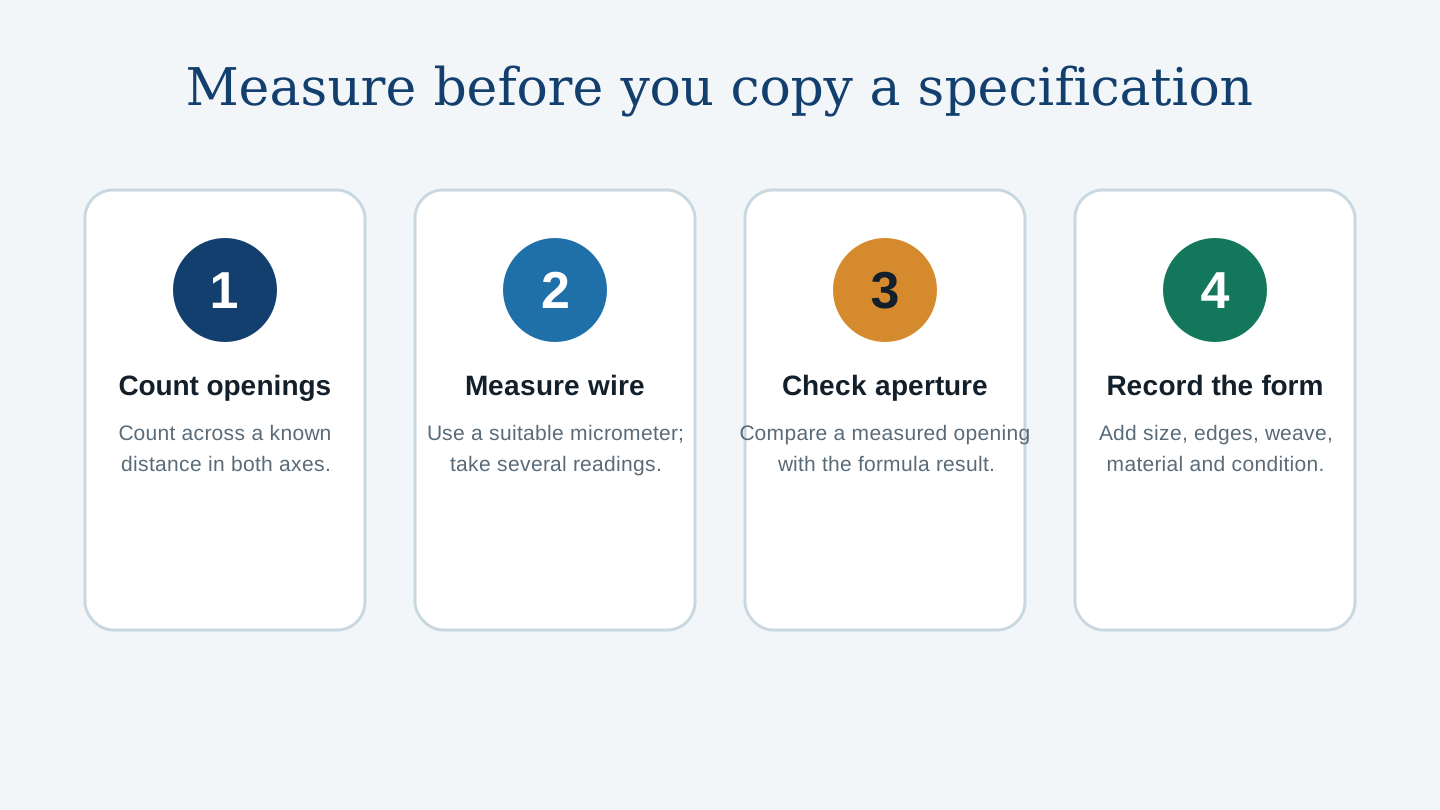 Inspection and reordering
How to Measure a Wire Mesh Sample Before Reordering
July 16, 2026A field-ready method for measuring aperture, wire, mesh count, dimensions and edges without copying hidden wear or damage into a new order.
Open resource →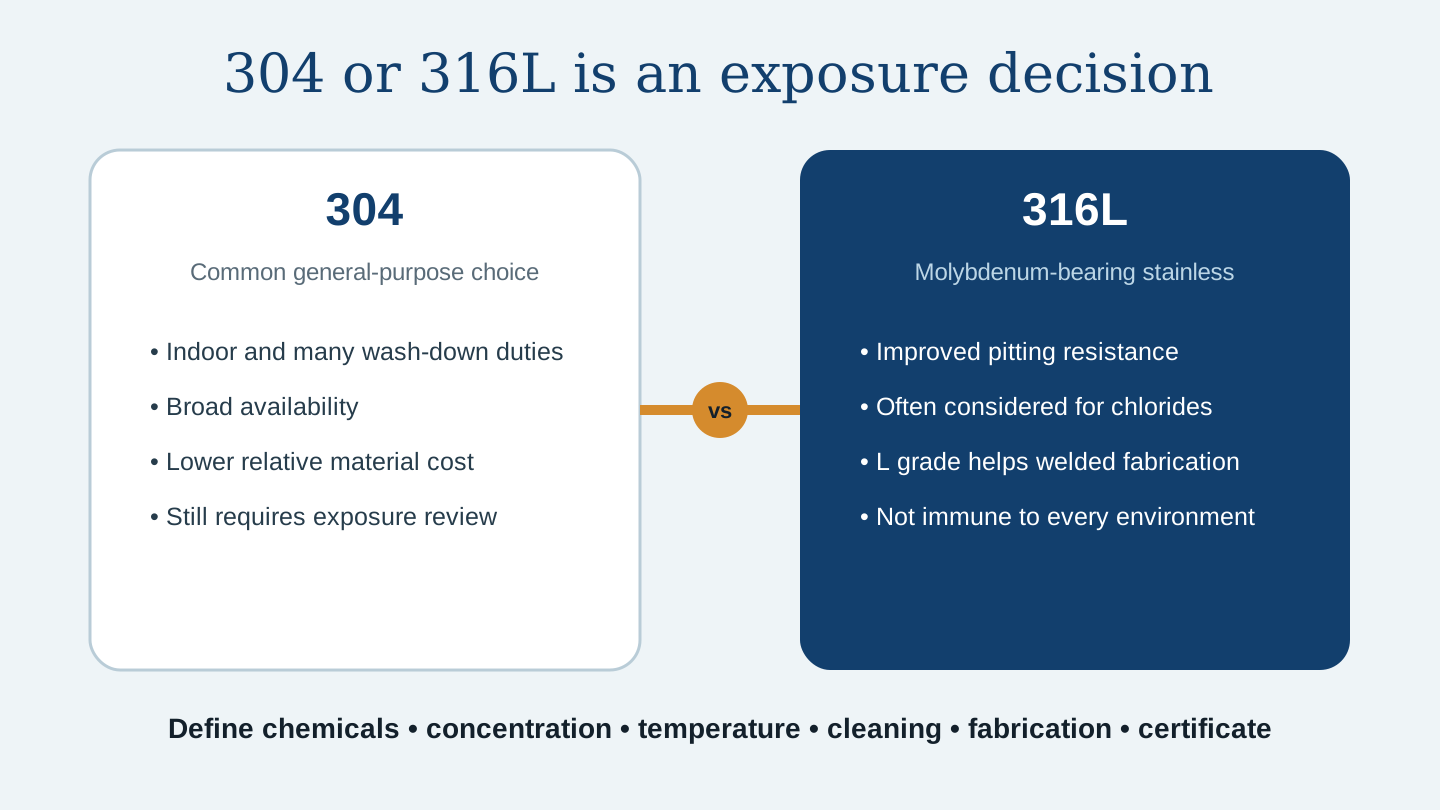 Material selection
304 vs 316L Stainless Steel Wire Mesh: What to Confirm
July 16, 2026A service-condition comparison for choosing between 304 and 316L stainless mesh without treating either grade as universally corrosion-proof.
Open resource →Use these notes at the drawing, sample and quotation stage
The Knowledge Center is the regularly updated part of Wire Mesh Selector. Articles turn recurring shop-floor and purchasing questions into repeatable checks. Each note explains the terminology, shows the calculation or decision path, identifies common mistakes and finishes with fields you can copy into an RFQ.
Use a calculator when the geometry is known, a specification guide when you are preparing a purchase document, and a knowledge article when you need to understand why two apparently similar meshes may behave differently.